

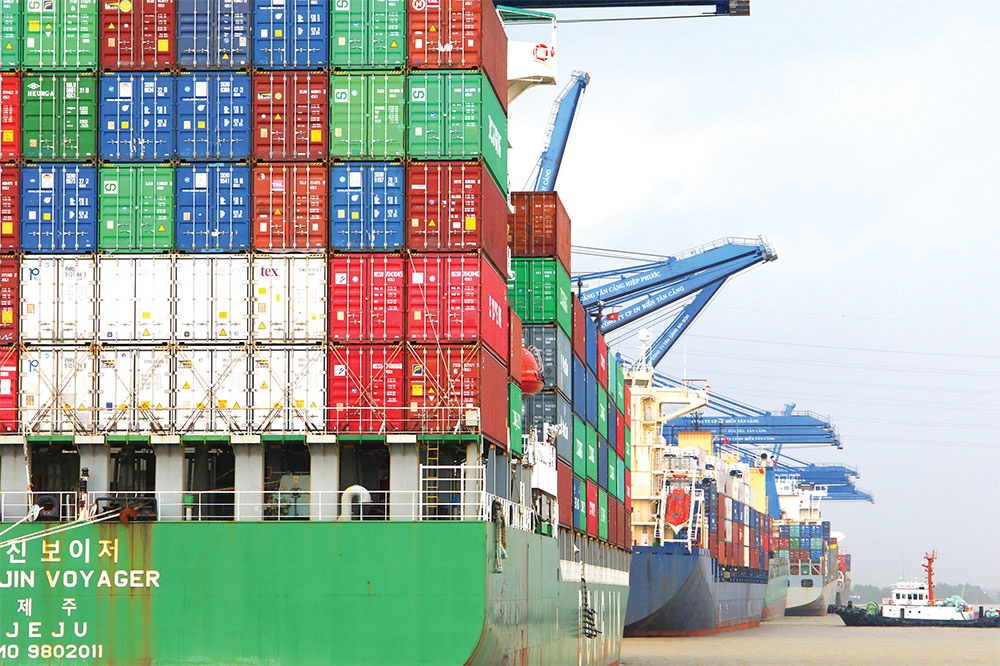
The Southeast Asian (SEA) economy is forecasted to grow by 4 to 5 percent annually over the next 10 years, with Vietnam leading the charge at a projected growth of 5 to 7 percent.
While many economists have correctly focused on the pro-growth policies, stable macroeconomics and healthy demographics of Southeast (SE) Asia, they are often missing two critical sources of additional growth: 1) the growing impact of tech-enabled entrepreneurs on investment, productivity and economic inclusion, and 2) that SE Asia's largest trading relationships are with China — as China grows, SE Asia grows.
This is contrary to the conventional wisdom that SE Asia benefits most from businesses diversifying away from China; SE Asia benefits most from a growing Chinese economy. These are among the findings from a new report by Bain & Company and Monk's Hill Ventures' Angsana Council, "Southeast Asia's pursuit of the emerging markets growth: How four factors could propel Southeast Asia to improved growth."
"Growth forecasts are notoriously difficult due to a myriad of factors that can affect projections based purely on historical performance," said Charles Ormiston, founding partner, Bain & Company, Southeast Asia. "This report represents our informed perspectives on the future of Southeast Asia, which is gleaned via a rigorous methodology for looking at past performance combined with our judgment on how underlying changes in the business, economic, social and political realm are likely to impact growth. We remain optimistic about Southeast Asia's continued growth in the face of global instability and that it maintains the possibility of out-growing other emerging regions in the world over the next decade."
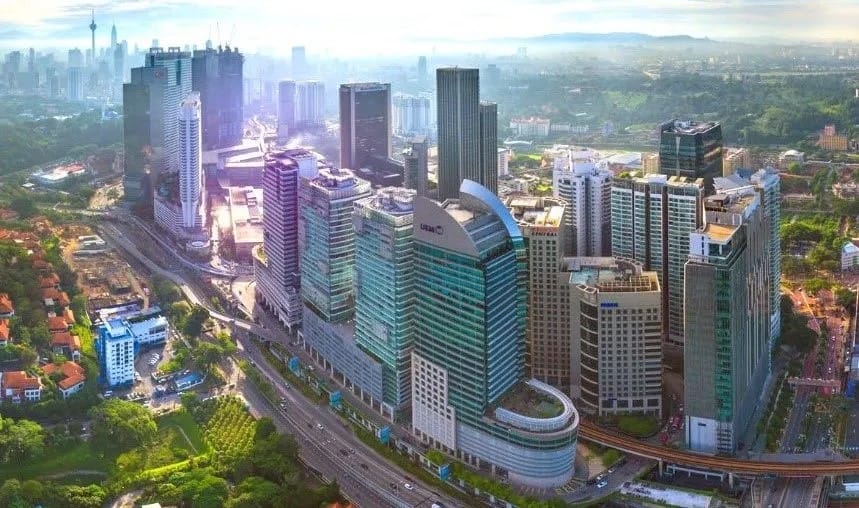
Since 1991, SEA has experienced strong and steady growth, with per capita income rising two-and-a half times from $1,900 to $4,700 in 2020. Contributing factors include stable government policies, surging entrepreneurial activity, favorable demographics and a relatively benign international environment.
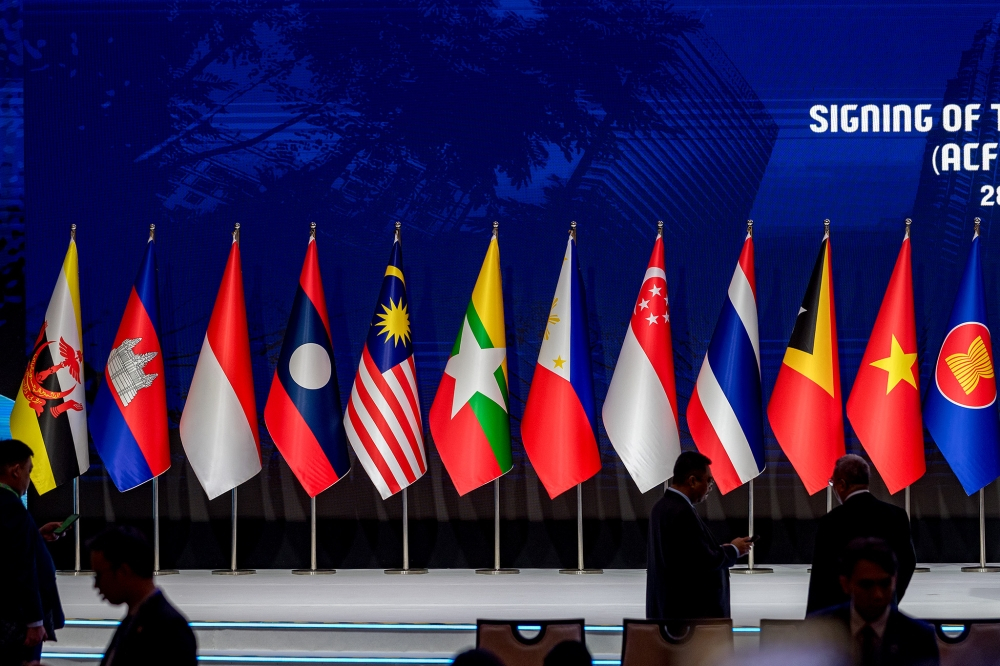
Asean's GDP per capita income has been growing and could return to leading emerging markets growth on the back of the four factors: robust traditional growth policies; a vibrant ecosystem of tech-enabled disruptors (TED); attractive demographics with a growing working and middle class; and taking a neutral stance amid geopolitical winds.
The study's projections for growth in Southeast Asia foresee a modest uptick for all major Southeast Asian countries except Thailand, which should be interpreted as a "rosy scenario" relative to the growth headwinds faced by Europe, Japan, China, and emerging regions like Latin America and Eastern Europe.
Robust policies
Asean countries have made steady progress toward improving several of the seven traditional growth drivers Bain has defined in the study: improving the ease of doing business; enabling healthy competition; facilitating investment; strengthening government and reducing corruption; raising education levels and promoting re-skilling; improving infrastructure; and increasing macroeconomic and social stability.
Probably the most noticeable improvement in the Southeast is the marked increase in macroeconomic stability since the 1997 Asia Crisis. This reduction in risk would benefit Southeast Asia during this time of global headwinds.
Tech-enabled disruptors
Today, the greatest force of progress in most developing countries are tech-enabled disruptors or TEDs. The TEDs are directly and indirectly impacting six of the seven traditional growth drivers by promoting business creation, enabling healthy competition, raising investment, strengthening e-government, improving education and productivity levels, and improving infrastructure.
Pressure from TEDs is forcing traditional family-controlled or "national champions" to increase investment levels and accelerate innovation or face irrelevance in the coming decade. Take note that most Southeast Asian governments actively nurture the growth of TEDs with beneficial policies, regulations and infrastructure-building in areas critical to tech-enabled disruption.
The full report analyses four sectors — aviation, finance, logistics and super-apps — that highlight the disruptive impact of TEDs, and how they would contribute to higher growth rates in the region.
Attractive demographics
One advantage of Asean is the demographic dividend expected from the size and growth of its working-age population. In 2022, China's population tipped into absolute decline. Asean has the largest cohort of children relative to the total population among the emerging regions under review. Middle-class consumerism is expected to rise given a youthful population that needs to spend on lifestyle, education, housing and other needs well into the 2030s, while Latin America and Eastern Europe's populations will begin to contract.
Remaining neutral
Asean has traditionally traded peacefully with various "great civilizations" — China, Arabia, Persia, India, Europe — while balancing their competing demands. The region can look forward to maintaining this neutral status even in this complex geopolitical environment.
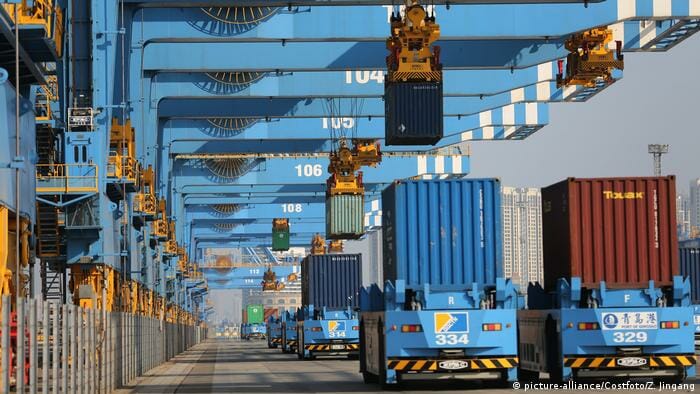
The region also benefits from the rise of China in two distinct ways: as the largest market for Asean trade and as an important source of foreign direct investments (FDI) as non-Chinese and Chinese companies diversify or shift supply chains away from China.
"We have had a very productive collaboration with Bain & Company producing this report, '' said Peng T. Ong, co-founder and managing partner, Monk's Hill Ventures. "Monk's Hill brings deep experience working with the tech-enabled disruptors highlighted in this report, as well as how government policies impact the opportunities that entrepreneurs can exploit. Bain has enormous access to data, research and more than 30 years on the ground in Southeast Asia."
Source: The Manila Times
Share:


<p>Time: November 2025<br /> By: WTO and International Trade Group, Legal Department – VCCI</p>
